Fossils for sale
Welcome back!


Sold:
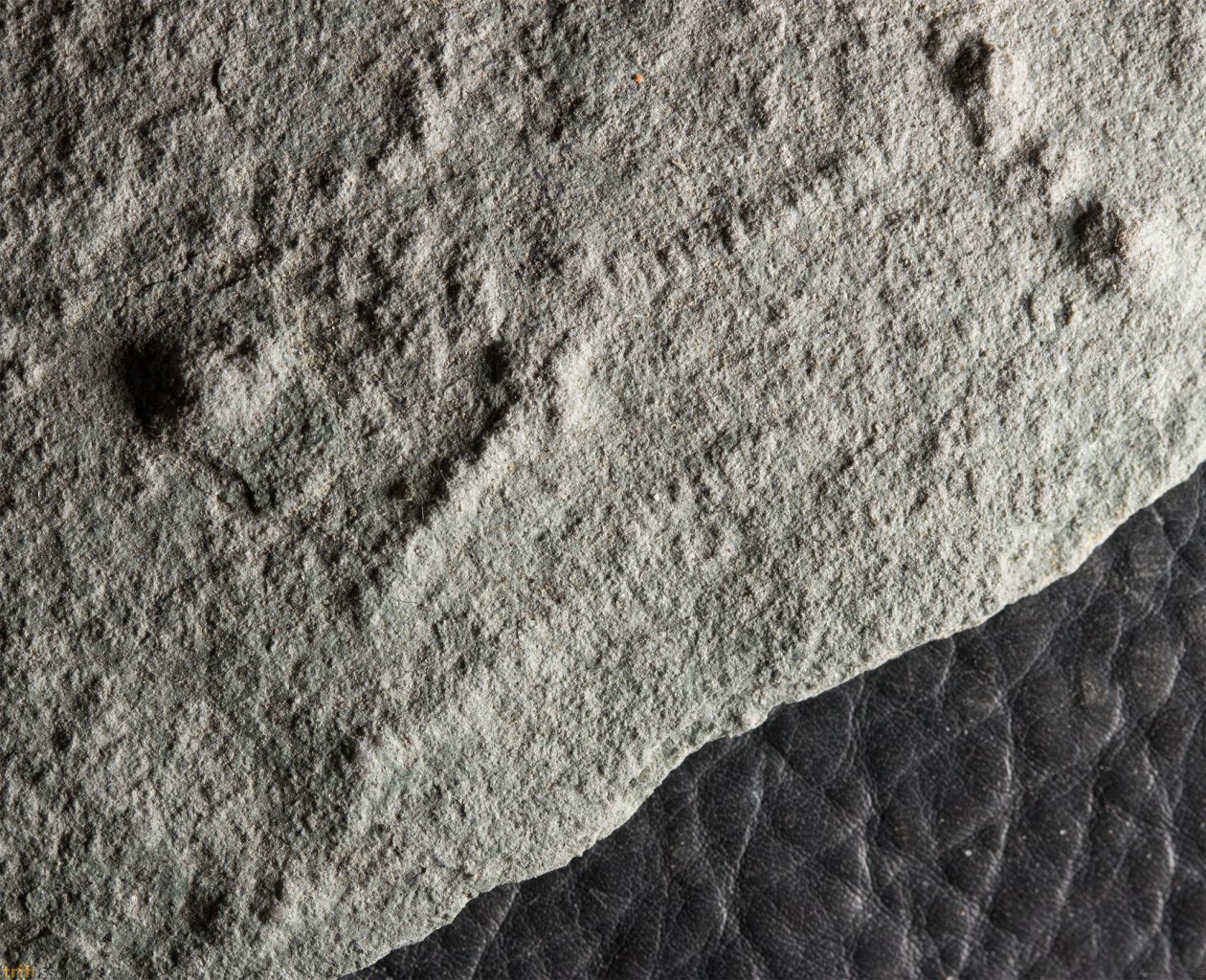
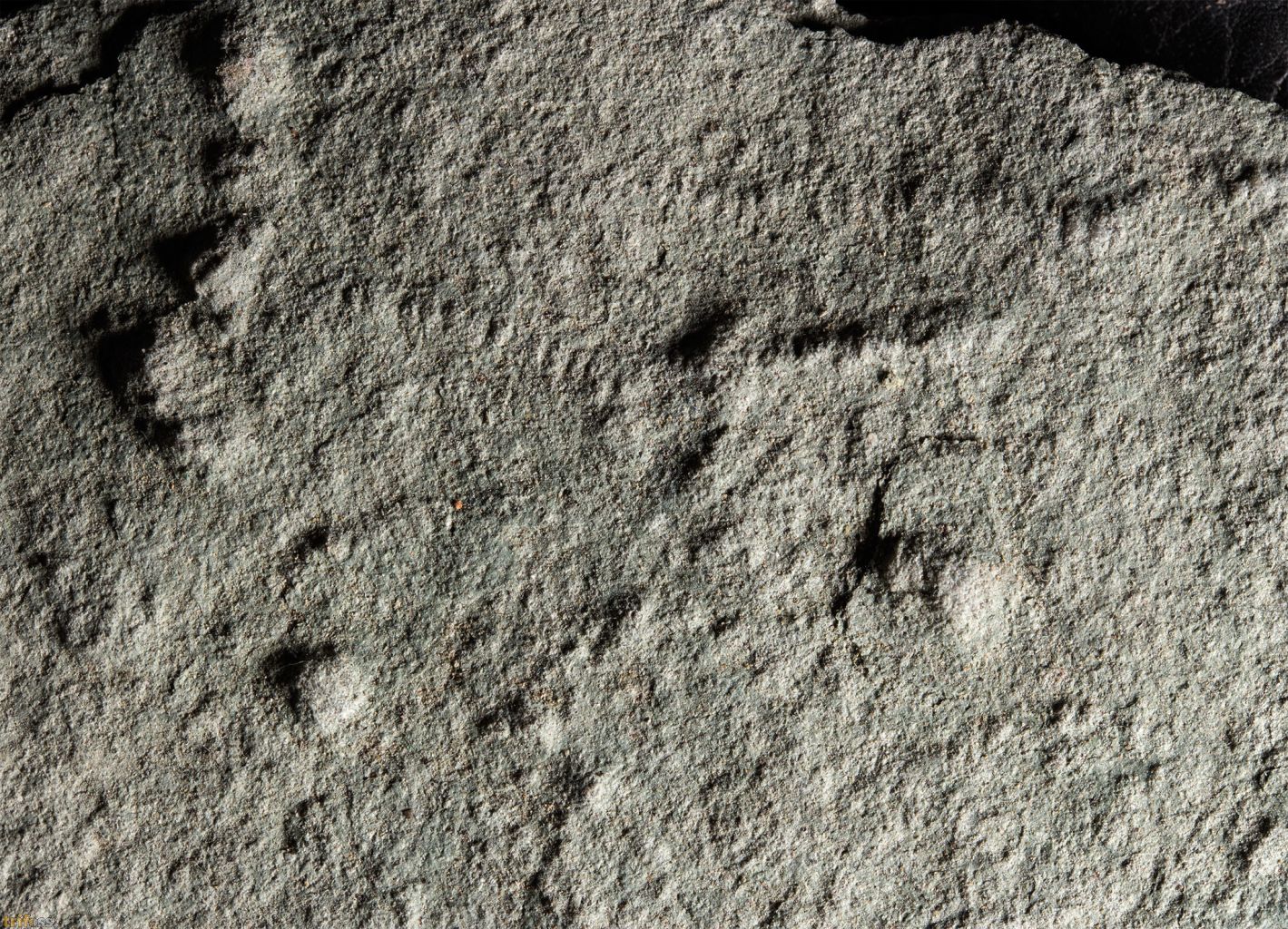
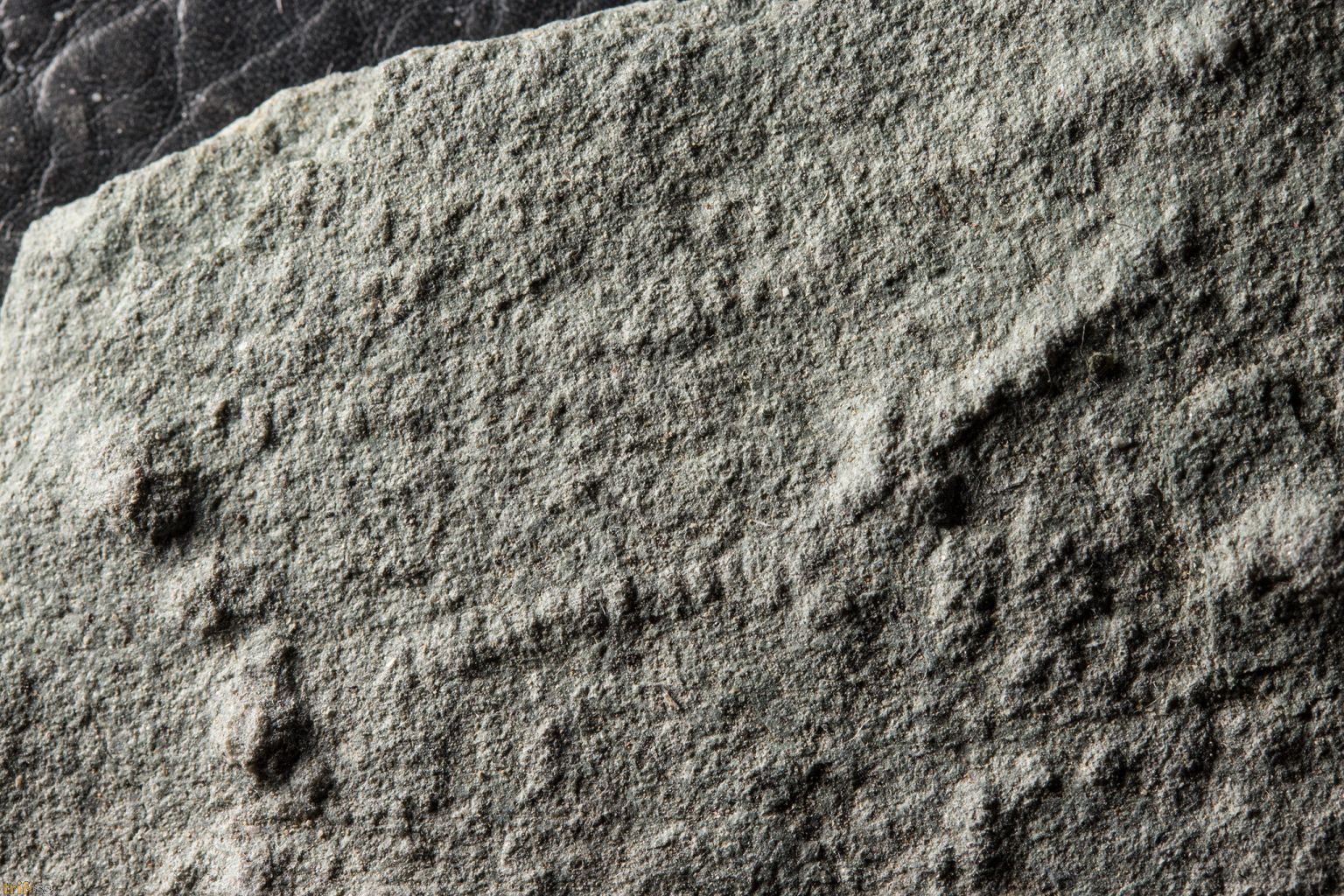
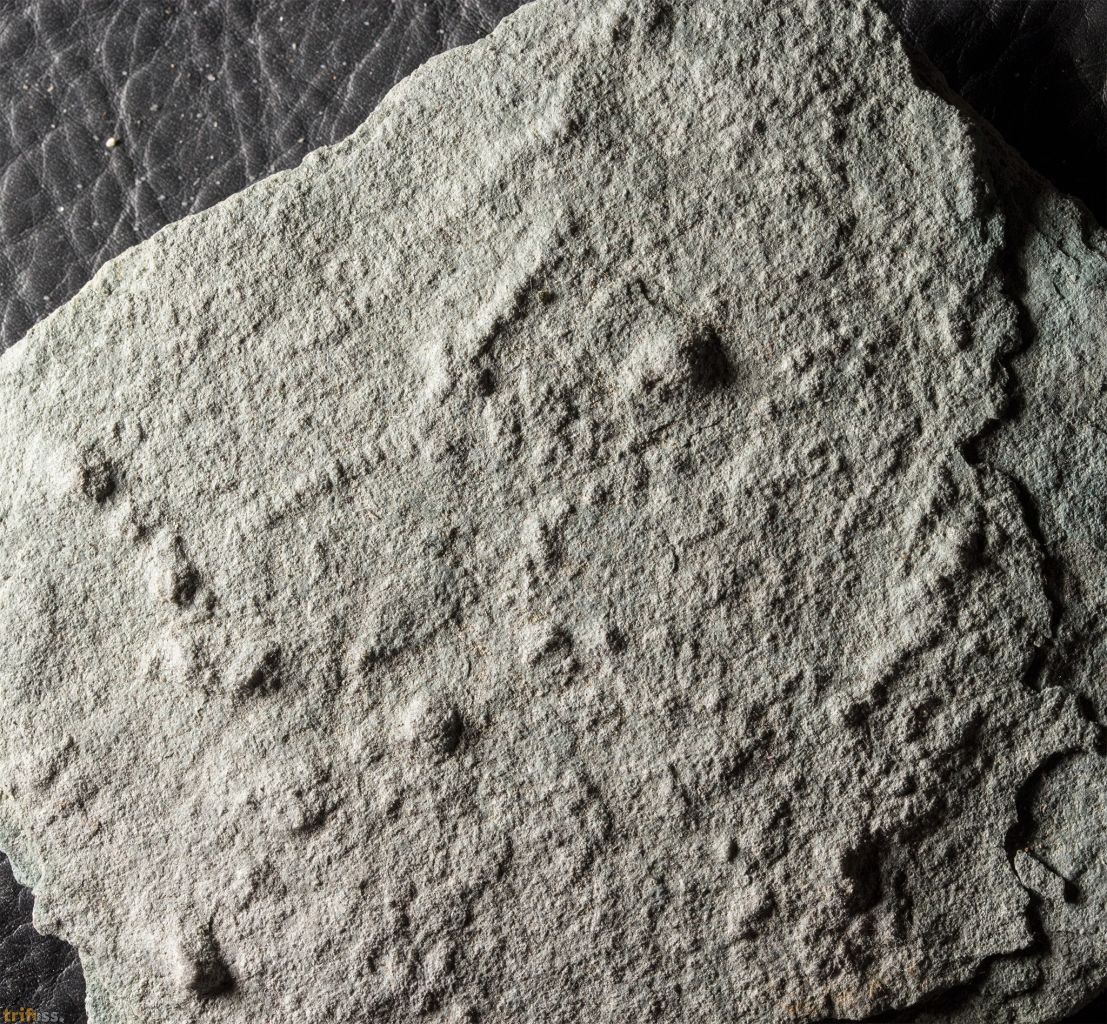
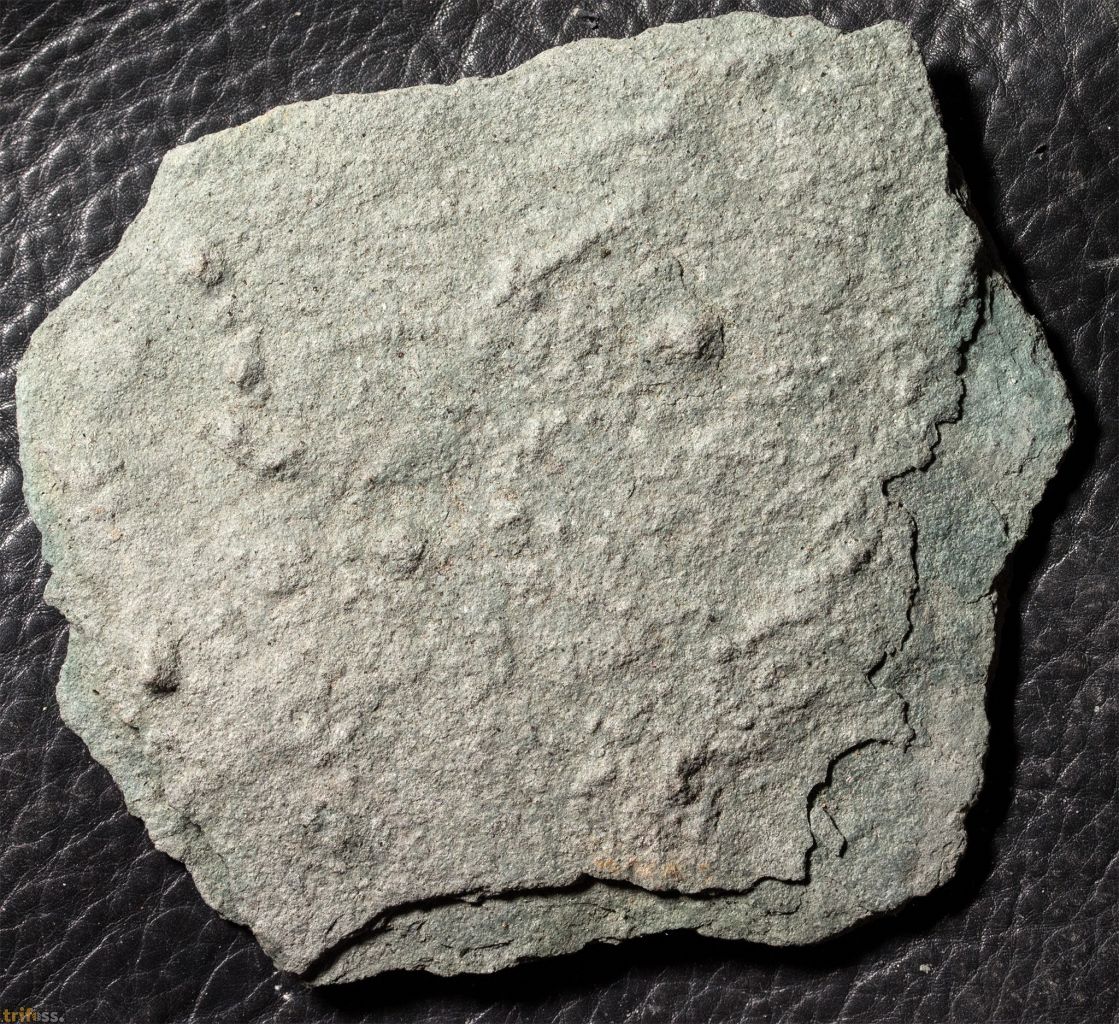
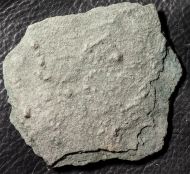
Palaeopascichnus delicatus Palij, 1976
For a larger view click on the thumbnail
Products description
| This slab featuring a detailed Ediacaran fossil of the species Palaeopascichnus delicatus from the Precambrian of Ukraine. Palaeopascichnus was globally distributed during the Ediacaran and was initially interpreted as a trace fossil. However, it is now considered a body fossil. Seilacher (2003) and Seilacher & Mrinjek (2011) discussed the notable similarities between Palaeopascichnus and xenophyophores—a group of large foraminiferans that use sediment grains to construct agglutinated tests. In particular, the extant species Aschemonella monile (Gooday & Holzmann, 2017) exhibits a striking resemblance to Palaeopascichnus. These similarities may be superficial, as such multi-chambered test structures can evolve independently in various animal groups. Nonetheless, Palaeopascichnus is more closely associated with foraminiferans than with any other living group. | |||
Location: | Novodnistrovsk quarry, Chernivtsi province, Podolia region, Ukraine | ||
| Plate Size : | about 77 x 64 mm | ||
| Age: | Precambrian, Ediacarum, Late Neoproterozoic, Lomozhov beds, Mogilev formation (About 600 Ma) | ||
- Seilacher, A. (2003): Biomat-related lifestyles in the Precambrian. Palaeontological Society Papers 9, 105–114.
- Seilacher, A.; Mrinjek, E. (2011): Benkovac Stone (Eocene, Croatia): a deep-sea Plattenkalk? Swiss Journal of Geosciences 104(S1), 159–166. DOI: 10.1007/s00015-011-0051-7
- Gooday, A.J.; Holzmann, M.; et al. (2017): New species of the xenophyophore genus Aschemonella from the abyssal Pacific. Zoological Journal of the Linnean Society 182(3), 479–499. DOI: 10.1093/zoolinnean/zlx052
- Antcliffe, J.B.; Gooday, A.J.; Brasier, M.D. (2011): Testing the protozoan hypothesis for Ediacaran fossils: A developmental analysis of Palaeopascichnus. Palaeontology 54(5), 1157–1175. DOI: 10.1111/j.1475-4983.2011.01058.x
- Kolesnikov, A.V.; Grazhdankin, D.V.; et al. (2019): Stratigraphic correlation potential of the Ediacaran palaeopascichnids. Precambrian Research 320, 1–14. PDF auf ResearchGate
Product no.: 11863